

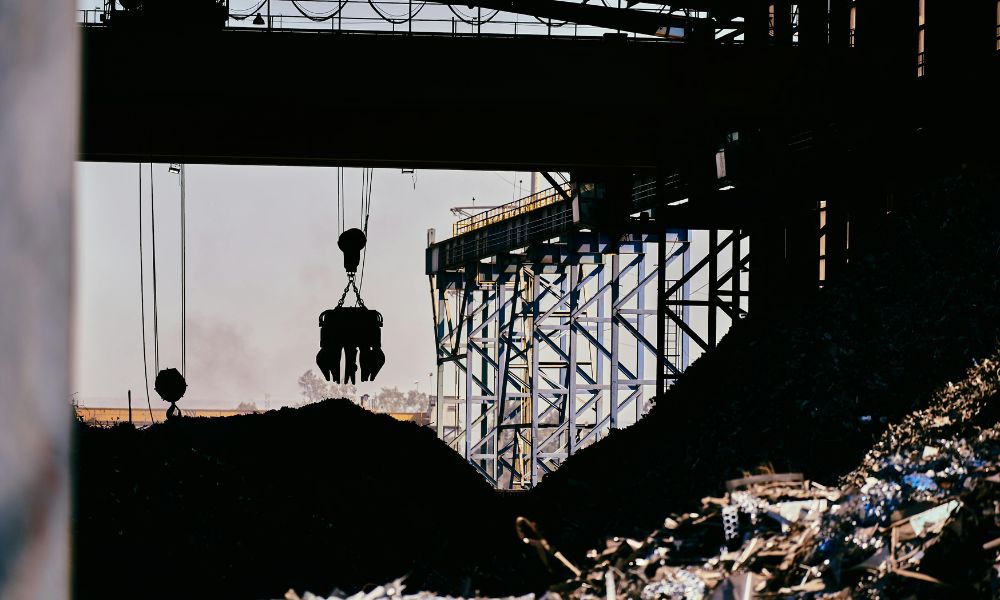
How Builders Can Sell Construction Scrap Metal in Sydney
Construction projects often generate a significant amount of scrap metal, from steel offcuts to copper wiring and aluminium components. Instead of treating these materials as waste, builders in Sydney can turn construction scrap into an additional source of income by selling it to licensed scrap metal recyclers. In addition to generating revenue, recycling scrap metal supports sustainability and reduces landfill waste.
This guide explains how builders can legally and efficiently sell construction scrap metal in Sydney.
Understanding Construction Scrap Metal
Construction and demolition projects produce a variety of metal materials that can be recycled. Many of these metals have strong resale value in the recycling market.
Common construction scrap metals include:
- Steel beams and reinforcement bars (rebar)
- Copper wiring and plumbing pipes
- Aluminium roofing, cladding, and scaffolding
- Brass fittings and fixtures
- Stainless steel components
- Metal roofing sheets and siding
Construction sites often produce these materials through demolition, renovation, or leftover building materials. Instead of discarding them, builders can collect and sell them to recycling facilities.
Why Builders Should Sell Scrap Metal
- Generate Extra Revenue: Scrap metals like copper, brass, and aluminium have high recycling value. Selling them allows builders to recover some costs from construction projects.
- Reduce Waste Disposal Costs: Transporting construction waste to landfill sites can be expensive. Recycling metal reduces waste volume and landfill fees.
- Support Sustainable Construction: Metal recycling conserves natural resources and reduces the environmental impact of mining and manufacturing new metals.
- Improve Site Efficiency: Organising and recycling scrap materials helps maintain a cleaner, safer construction site.
Know the Legal Requirements in NSW
Before selling scrap metal in Sydney, builders must understand the legal framework governing the industry. Scrap metal transactions are regulated under NSW laws to prevent theft and ensure transparency.
1. No Cash Payments: Cash transactions for scrap metal are illegal in New South Wales. Scrap metal buyers must pay sellers using traceable methods such as bank transfer or cheque.
2. Provide Identification: Builders selling scrap metal must provide valid photo identification, such as a driver’s licence or passport. The dealer records this information as part of the transaction.
3. Proof of Ownership: Scrap metal dealers may request documentation proving that the materials came from legitimate construction work or demolition projects.
4. Dealer Record Keeping: Licensed scrap metal dealers are required to keep detailed records of every transaction, including the metal type, weight, seller details, and payment method, for at least three years.
Following these rules ensures that transactions remain legal and transparent.
Steps to Sell Construction Scrap Metal
1. Collect and Store Scrap Materials
During construction or demolition projects, builders should set aside metal waste in designated containers or bins. Keeping scrap separate from other construction waste makes recycling easier.
2. Sort Metals by Type
Separating metals increases their resale value. Scrap buyers often pay higher rates for clean, sorted materials.
For example:
- Copper should be separated from insulated wire
- Aluminium should be separated from steel
- Brass fittings should be stored separately
Proper sorting can significantly increase the final payout.
3. Remove Contaminants
Scrap metal contaminated with plastic, rubber, paint, or dirt is usually worth less. Cleaning and preparing the materials helps maximise their value.
Examples include:
- Stripping insulation from copper wire
- Removing screws or plastic attachments
- Cleaning metal surfaces where possible
4. Check Current Scrap Prices
Scrap metal prices fluctuate based on global demand and commodity markets. Builders should check current rates before selling to ensure they receive a fair price.
5. Contact a Licensed Scrap Metal Dealer
Builders should only sell scrap metal to registered scrap metal businesses. These dealers weigh the materials and calculate payment based on weight and metal type.
For large quantities of construction scrap, many dealers also offer pickup services directly from construction sites.
6. Provide Required Information
At the time of sale, builders must provide identification and any requested documentation regarding the origin of the materials. Payment is usually processed through electronic transfer.
Tips to Maximise Scrap Metal Value
Builders can increase profits from scrap metal by following a few simple strategies:
- Separate high-value metals: Copper scrap and brass typically have higher value than steel or aluminium.
- Store materials safely: Keep scrap metal protected from contamination or damage.
- Sell in bulk: Larger quantities often attract better pricing and may qualify for free pickup.
- Maintain records: Keep receipts and documentation for tax or accounting purposes.
- Build relationships with recyclers: Regular partnerships with scrap metal dealers can lead to better rates and faster service.
Environmental Benefits of Recycling Construction Metal
Recycling scrap metal offers significant environmental advantages. Metals can be recycled repeatedly without losing their quality, making them one of the most sustainable building materials.
Benefits include:
- Reduced mining of natural resources
- Lower energy consumption during metal production
- Reduced landfill waste from construction projects
- Lower carbon emissions in manufacturing processes
By selling scrap metal instead of disposing of it, builders contribute to a circular economy and support environmentally responsible construction practices.
Final Thoughts
Selling construction scrap metal in Sydney is both profitable and environmentally responsible. Builders can generate additional revenue, reduce waste disposal costs, and support sustainable construction practices by recycling metal materials from their projects.
By understanding the legal requirements, properly sorting scrap materials, and working with licensed scrap metal dealers, builders can turn construction waste into a valuable resource.
As the construction industry continues to focus on sustainability and cost efficiency, recycling scrap metal will remain an essential practice for builders across Sydney.