
How Scrap Metal Pickup Services Work
Getting rid of scrap metal used to mean loading heavy materials into a truck, driving to a scrap metal yard, and figuring out how to unload everything yourself. Today, scrap metal pickup services make the process much easier for homeowners, contractors, businesses, and industrial sites.
Whether you have old appliances, leftover construction materials, copper wiring, steel pipes, or large amounts of industrial scrap, pickup services provide a convenient solution while helping ensure recyclable materials stay out of landfills.
If you’ve never used a scrap metal pickup service before, you may wonder how the process actually works. In this guide, we’ll explain everything from scheduling a pickup to how scrap metal is sorted, weighed, and recycled.
What Is a Scrap Metal Pickup Service?
A scrap metal pickup service is a company that collects unwanted metal materials directly from your home, business, warehouse, or job site.
Instead of transporting the materials yourself, the pickup team comes to you. Depending on the type and quantity of scrap, they may use trucks, trailers, bins, or industrial containers to remove the materials safely and efficiently.
These services are commonly used by:
- Homeowners during renovations or cleanouts
- Electricians and plumbers
- Construction and demolition companies
- Manufacturing facilities
- Warehouses and commercial businesses
- Property managers
- Industrial operations
Some companies offer one-time pickups, while others provide recurring collection services for businesses that generate scrap metal regularly.
Types of Scrap Metal Commonly Collected
Most pickup services accept a wide variety of metals, including both ferrous and non-ferrous materials.
a. Ferrous Metals
Ferrous metals contain iron and are usually magnetic. Common examples include:
- Steel
- Cast iron
- Heavy machinery
- Structural beams
- Metal shelving
- Car parts
These metals are widely recycled and often generated during construction or demolition projects.
b. Non-Ferrous Metals
Non-ferrous metals are generally more valuable because they don’t contain iron and resist corrosion.
Examples include:
- Copper scrap
- Aluminum
- Brass
- Stainless steel
- Lead
- Zinc
Copper wiring, aluminum siding, and brass plumbing fixtures are among the most commonly recycled non-ferrous materials.
Step 1: Contacting the Pickup Service
The process usually starts with a phone call, online inquiry, or email.
You’ll typically be asked questions such as:
- What type of metal do you have?
- Approximately how much scrap needs to be removed?
- Is the material already separated?
- Where is the scrap located?
- Will heavy equipment or labor be needed?
- Do you need a one-time or recurring pickup?
Providing clear information helps the company determine the right vehicle, equipment, and team size for the job.
For larger commercial or industrial projects, some companies may visit the site first to assess the materials before scheduling pickup.
Step 2: Receiving a Quote
After evaluating the details, the company may provide:
- A pickup estimate
- Current scrap pricing
- Payment information
- Container rental options if needed
Some services charge pickup fees, especially for small loads or difficult access locations. Others offer free pickup if the scrap metal has enough recycling value to offset transportation costs.
The value of your scrap depends on factors such as:
- Metal type
- Weight
- Purity
- Market prices
- Contamination level
Non-ferrous metals like copper and brass usually generate higher payouts than standard steel or iron.
Step 3: Scheduling the Pickup
Once you accept the quote or service terms, the pickup is scheduled.
For residential pickups, appointments are often available within a few days. Commercial and industrial clients may arrange ongoing scheduled collections weekly, biweekly, or monthly.
Some companies also provide emergency pickups for construction sites or large-scale cleanouts.
If you have a major project producing continuous scrap, the company may place bins or roll-off containers at your location for easy loading.
Step 4: Scrap Metal Collection
On pickup day, the crew arrives with the proper equipment to remove the materials safely.
Depending on the size of the job, they may use:
- Pickup trucks
- Flatbed trailers
- Dump trucks
- Roll-off containers
- Forklifts
- Cranes or lifting equipment
Smaller residential jobs may only take a few minutes, while industrial removals can require multiple workers and specialised machinery.
Many pickup services also handle heavy lifting, dismantling, and loading, which saves customers significant time and effort.
Step 5: Weighing and Sorting the Scrap
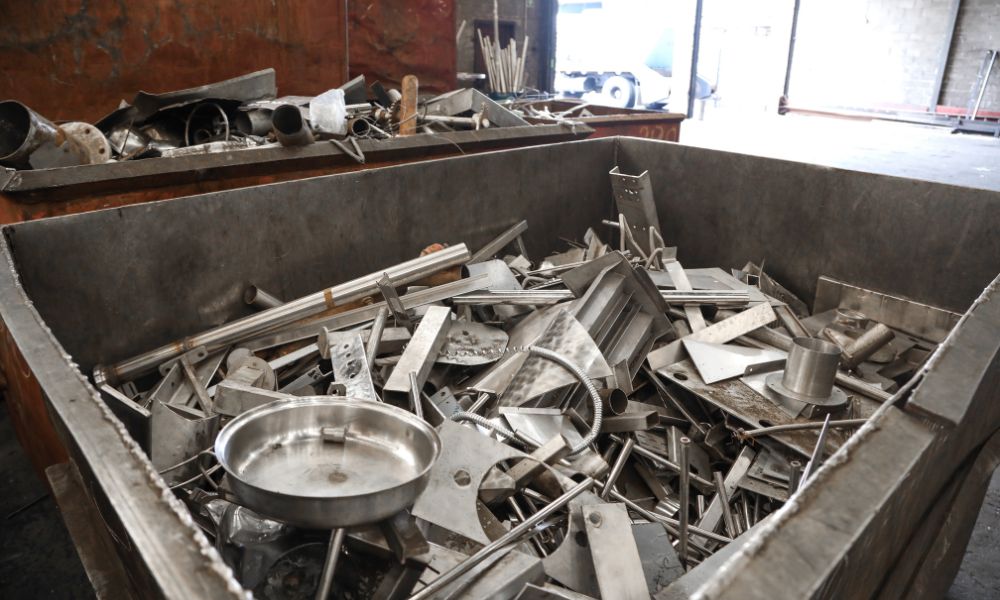
After collection, the scrap metal is transported to a recycling facility or scrap yard.
There, the materials are:
- Weighed
- Sorted by metal type
- Cleaned if necessary
- Prepared for processing
Sorting is extremely important because different metals have different market values.
For example:
- Bare bright copper commands a much higher price than mixed steel
- Clean aluminum is worth more than contaminated aluminum
- Stainless steel is separated from regular steel
Advanced recycling facilities may use magnets, sensors, and automated systems to identify and sort materials efficiently.
Step 6: Payment for Scrap Metal
If your scrap has resale value, payment is usually based on weight and current market pricing.
Some companies pay:
- Immediately during pickup
- After weighing at the recycling yard
- Through bank transfer or business invoicing
Commercial accounts often receive detailed reports showing:
- Material types
- Weights
- Current rates
- Total payouts
Because scrap prices fluctuate daily, rates can vary depending on market conditions.
Why Scrap Metal Pickup Services Matter
Scrap metal recycling does more than simply remove unwanted materials.
It also provides important environmental and economic benefits.
➡️ Reduces Waste in Landfills: Metal is highly recyclable and can often be reused repeatedly without losing quality. Recycling keeps valuable materials out of overcrowded landfills.
➡️ Conserves Natural Resources: Recycling metal reduces the need for mining raw materials, helping conserve natural resources and lower environmental damage.
➡️ Saves Energy: Producing metal from recycled materials usually requires significantly less energy than manufacturing from raw ore. For example, recycled aluminum uses far less energy compared to producing new aluminum from bauxite ore.
➡️ Supports the Circular Economy: Scrap recycling allows metals to be reused in new buildings, vehicles, appliances, and infrastructure instead of being discarded.
Tips Before Scheduling a Scrap Metal Pickup
To make the process smoother, consider these tips:
- Separate metals if possible
- Remove non-metal materials
- Keep scrap dry and accessible
- Ask about minimum pickup quantities
- Compare local pricing
- Confirm whether labor and loading are included
Proper preparation may increase the value of your scrap and speed up the pickup process.
Final Thoughts
Scrap metal pickup services offer a convenient, efficient, and environmentally responsible way to remove unwanted metal materials. Whether you’re cleaning out a garage, managing a construction project, or operating an industrial facility, these services simplify recycling while helping recover valuable resources.
From collection and transportation to sorting and recycling, the process is designed to make scrap removal easy while supporting sustainable waste management.
If you regularly generate scrap metal, working with a reliable pickup service can save time, reduce labor, and even create an additional source of revenue.