

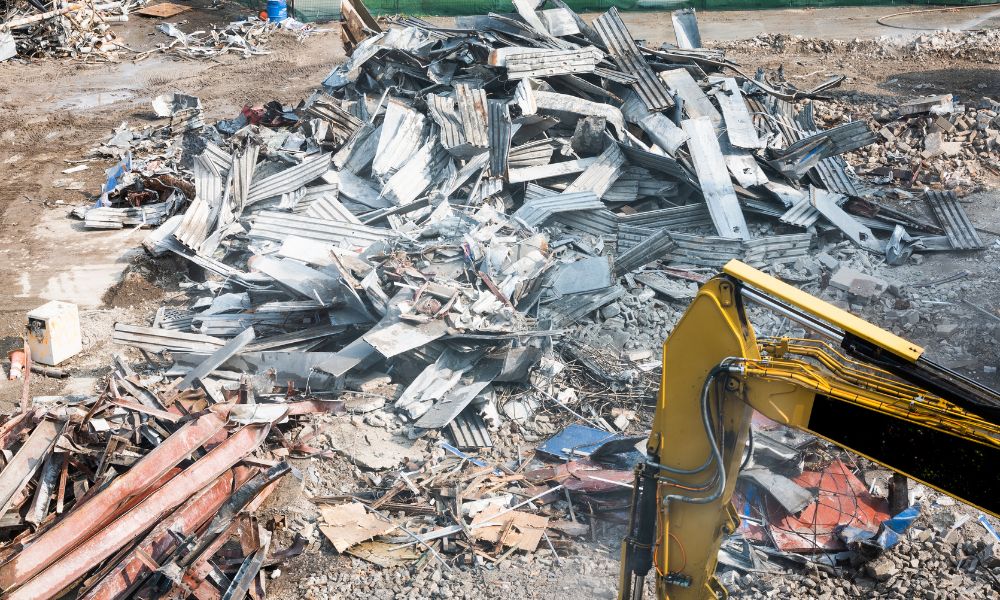
How Demolition Companies Can Profit from Scrap Metal
The demolition industry has evolved far beyond simply tearing down structures. Today, successful demolition companies recognise that every project contains hidden value, especially in scrap metal. From steel beams and copper wiring to aluminum fixtures and stainless steel piping, scrap metal recovery can generate substantial additional revenue while also supporting environmental sustainability.
For demolition contractors, understanding how to maximise profits from scrap metal can transform a standard demolition project into a highly profitable operation. This blog explores the opportunities, strategies, and best practices demolition companies can use to increase earnings through efficient scrap metal recovery and recycling.
Growing Value of Scrap Metal in Demolition
Modern buildings contain significant quantities of recyclable metal. As global demand for recycled materials increases, scrap metal prices continue to create strong profit opportunities for demolition companies.
Common metals recovered from demolition projects include:
- Structural steel
- Copper wiring and pipes
- Aluminum siding and frames
- Stainless steel
- Brass fixtures
- Iron components
- Lead materials
- Zinc roofing
These materials are valuable because recycling metal requires far less energy than producing new metal from raw ore. Manufacturers worldwide increasingly depend on recycled metals, creating steady market demand.
For demolition firms, scrap metal is no longer waste, it is a secondary income stream.
Why Scrap Metal Recovery Matters
1. Additional Revenue Source
The most obvious benefit is increased profitability. Instead of paying landfill disposal fees for mixed debris, demolition companies can sort and sell metals separately.
High-value metals like copper and brass can generate significant returns. Even lower-priced metals such as steel can become profitable when recovered in large quantities.
A single commercial demolition project may yield:
- Several tons of structural steel
- Thousands of feet of copper wire
- Aluminum window frames
- HVAC units containing valuable metals
These materials can collectively add thousands or even tens of thousands, of dollars in additional revenue.
2. Reduced Disposal Costs
Landfills charge tipping fees based on weight and volume. Metal debris is heavy, which increases disposal costs.
By separating recyclable metals:
- Companies reduce landfill waste
- Lower hauling expenses
- Minimise tipping fees
- Improve project margins
This dual financial benefit, earning revenue while reducing expenses, makes scrap recovery extremely valuable.
3. Environmental Benefits
Sustainability has become a major factor in the construction and demolition industry. Clients increasingly prefer contractors that prioritise environmentally responsible practices.
Metal recycling helps:
- Reduce mining activity
- Lower carbon emissions
- Conserve natural resources
- Minimise landfill use
Companies that emphasise recycling can strengthen their reputation and improve competitiveness when bidding on projects.
Most Profitable Metals for Demolition Companies
Not all scrap metals have equal value. Understanding market demand helps companies prioritise recovery efforts.
1. Copper
Copper scrap is one of the most profitable metals in demolition.
Common sources include:
- Electrical wiring
- Plumbing pipes
- HVAC systems
- Generators and transformers
Because copper prices are typically high, careful extraction and sorting are essential.
Tip: Clean copper without insulation or contamination earns significantly higher prices.
2. Steel
Steel is the most commonly recovered demolition metal.
Sources include:
- Structural beams
- Reinforcement bars
- Roofing materials
- Industrial equipment
Although steel prices per pound are lower than copper, large quantities make it highly profitable.
3. Aluminum
Aluminum scrap is lightweight but valuable due to its recyclability.
Found in:
- Window frames
- Doors
- Gutters
- Siding
- Curtain walls
Separated aluminum scrap often commands strong recycling prices.
4. Brass
Brass scrap components frequently come from:
- Plumbing fixtures
- Valves
- Decorative hardware
Because brass contains copper, recyclers typically pay premium rates.
5. Stainless Steel
Industrial and commercial buildings often contain stainless steel in:
- Kitchens
- Food processing equipment
- Railings
- Tanks
- Piping
Its corrosion resistance makes it valuable in recycling markets.
How Demolition Companies Can Maximise Scrap Metal Profits
1. Conduct Pre-Demolition Audits
A detailed site assessment is one of the most important steps.
Before demolition begins, companies should identify:
- Types of metals present
- Estimated quantities
- Recovery difficulty
- Market value
- Hazardous material concerns
A pre-demolition audit allows contractors to create a recovery strategy and estimate potential scrap revenue before the project starts.
2. Prioritise Selective Demolition
Traditional demolition methods may damage valuable materials.
Selective demolition, also called deconstruction, involves carefully dismantling portions of a building to recover reusable and recyclable materials.
Benefits include:
- Higher metal recovery rates
- Cleaner scrap materials
- Better resale value
- Reduced contamination
Although selective demolition can require more labor, the increased scrap value often offsets the cost.
3. Separate Metals Properly
Mixed scrap receives lower prices than sorted materials.
Successful demolition companies separate metals into categories such as:
- Copper
- Steel
- Aluminum
- Brass
- Stainless steel
Proper sorting increases resale value and simplifies recycling operations.
Best Practice:
Use dedicated containers or bins for each metal type directly on-site.
4. Invest in Efficient Equipment
Modern equipment can dramatically improve metal recovery efficiency.
Useful tools include:
- Hydraulic shears
- Magnets
- Material handlers
- Wire strippers
- Mobile crushers
- Grapples
Advanced equipment helps workers recover metals faster while reducing labor costs.
5. Build Relationships with Scrap Yards
Not all scrap metal buyers offer the same pricing.
Demolition companies should establish long-term relationships with reputable scrap recyclers to:
- Negotiate better rates
- Access current market information
- Ensure fast payments
- Reduce transportation costs
Some recyclers also provide pickup services or containers, improving operational efficiency.
6. Monitor Scrap Metal Market Prices
Metal prices fluctuate regularly based on:
- Global demand
- Manufacturing activity
- Economic conditions
- Supply chain disruptions
Companies that track market trends can choose optimal times to sell recovered materials.
For example:
- Holding large quantities during low-price periods may increase profits later
- Selling during market spikes can significantly boost revenue
7. Train Employees on Recovery Techniques
Workers play a critical role in maximising scrap value.
Training should include:
- Metal identification
- Safe extraction methods
- Sorting procedures
- Contamination prevention
- Equipment handling
Well-trained crews recover more valuable materials with less waste.
Challenges Demolition Companies Face in Scrap Recovery
Despite the opportunities, scrap recovery also presents challenges.
1. Fluctuating Metal Prices
Scrap prices can change rapidly, affecting projected profits.
Companies should diversify revenue streams rather than relying solely on scrap income.
2. Labor Costs
Selective demolition and sorting require skilled labor.
Balancing labor expenses with scrap recovery value is essential for profitability.
3. Safety Risks
Metal extraction can expose workers to hazards such as:
- Sharp materials
- Electrical systems
- Heavy structural components
- Hazardous substances
Strict safety protocols are necessary.
4. Transportation and Storage
Large quantities of metal require:
- Transportation logistics
- Storage space
- Efficient loading systems
Poor logistics can reduce profit margins.
Future Trends in Demolition Scrap Recycling
Several trends are shaping the future of scrap metal recovery:
- Increased Urban Redevelopment: As cities modernise infrastructure, demolition activity continues to rise, creating more recycling opportunities.
- Higher Demand for Recycled Materials: Manufacturers are increasing recycled metal usage to reduce environmental impact.
- Circular Economy Growth: The construction industry is shifting toward reusing and recycling materials rather than discarding them.
- Automation Expansion: Robotics and automated sorting systems will continue improving recovery efficiency.
Final Thoughts
Scrap metal recovery has become one of the most profitable opportunities in the demolition industry. Companies that strategically recover, sort, and recycle metals can dramatically increase project profitability while reducing disposal costs and supporting sustainability goals.
Success depends on:
- Careful planning
- Efficient sorting
- Skilled labor
- Strong recycler partnerships
- Market awareness
- Investment in technology
As environmental regulations tighten and recycled metal demand grows, demolition companies that embrace advanced scrap recovery practices will gain a major competitive advantage.
In today’s market, demolition is no longer just about destruction, it is about resource recovery, sustainability, and maximising value from every structure.