

Scrap Car Prices Today – What Factors Affect the Value?
If you’re planning to sell your old, damaged, or unwanted vehicle, one of the first questions you’ll ask is, “How much is my scrap car worth today?” While many people expect a fixed price, the reality is that scrap car values change regularly and depend on several important factors.
From fluctuating scrap metal prices to your car’s make, model, and condition, many variables influence the amount you’ll receive. Understanding these factors can help you get the best possible price and choose a reputable scrap metal recycler.
In this guide, we’ll explain what affects scrap car prices in Australia and how you can maximise the value of your unwanted vehicle.
What Is a Scrap Car?
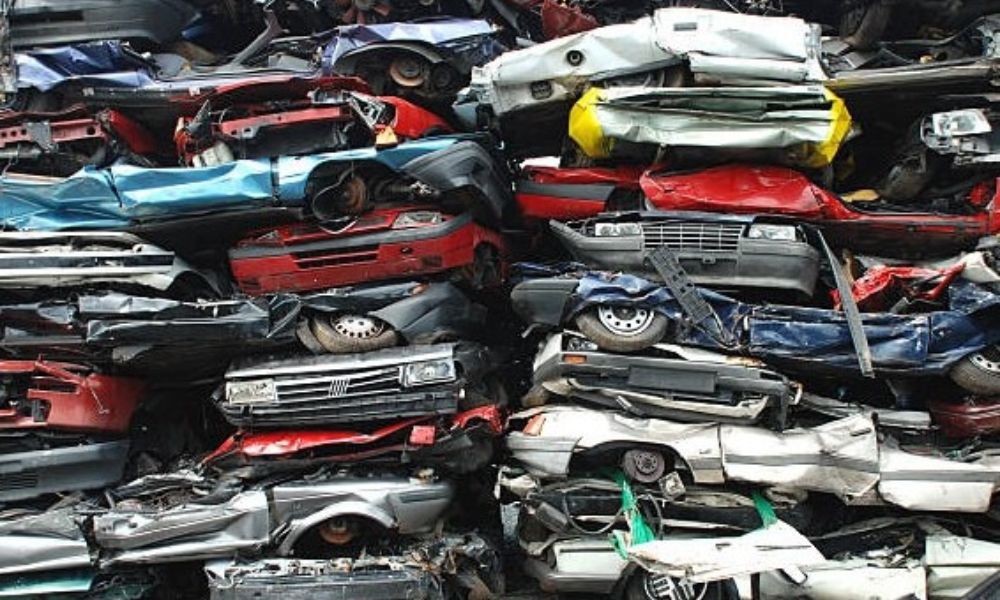
A scrap car is a vehicle that has reached the end of its useful life. It may be:
- Accident damaged
- Mechanically beyond repair
- Flood damaged
- Fire damaged
- Unregistered
- Too expensive to repair
- Old and no longer roadworthy
Rather than leaving it sitting in your driveway, selling it to a licensed scrap metal recycler allows valuable materials to be recycled while putting cash in your pocket.
What Determines Scrap Car Prices?
No two vehicles are worth exactly the same. Here are the biggest factors that influence today’s scrap car prices.
1. Current Scrap Metal Prices
The single biggest factor affecting scrap car prices is the value of scrap metal.
Vehicles contain large amounts of:
- Steel
- Aluminium
- Copper
- Brass
- Lead
When global metal prices rise, scrap yards generally pay more for end-of-life vehicles. When prices fall, payouts usually decrease as well.
Since metal markets change regularly, scrap car prices can vary from week to week.
2. Vehicle Weight
Heavier vehicles are usually worth more because they contain more recyclable metal.
For example:
- Small hatchbacks generally receive lower offers.
- Sedans often have moderate value.
- SUVs and 4WDs usually fetch higher prices.
- Vans, utes, and commercial vehicles often receive the highest payouts due to their weight.
More metal means more recyclable material, which increases the vehicle’s scrap value.
3. Make and Model
Not every vehicle is valued solely for its metal content.
Popular makes and models often contain parts that can be removed and resold before the vehicle is recycled.
Vehicles from manufacturers such as Toyota, Ford, Mazda, Nissan, Mitsubishi, Holden, Hyundai, and Isuzu often have strong demand for second-hand parts, increasing their overall value.
Rare or luxury vehicles may also contain valuable components.
4. Vehicle Condition
Even if your car is no longer roadworthy, its condition still matters.
Higher offers are generally made for vehicles that:
- Have an intact engine
- Still contain the transmission
- Have complete panels
- Include catalytic converters
- Retain alloy wheels
- Have minimal fire or flood damage
Cars missing major components may receive a lower price because there is less recyclable material and fewer reusable parts.
5. Age of the Vehicle
Older vehicles typically have lower resale value but may still contain valuable recyclable metals.
In some cases, classic or discontinued models may have parts that are highly sought after, increasing their value despite their age.
6. Demand for Spare Parts
Some vehicles are worth more because their parts remain in high demand.
Items commonly resold include:
- Engines
- Gearboxes
- Alternators
- Starter motors
- Radiators
- Headlights
- Doors
- Mirrors
- Alloy wheels
- Electronic modules
If your vehicle has reusable components, a recycler may pay more than the standard scrap metal rate.
7. Catalytic Converter Value
Many people don’t realise that the catalytic converter is often one of the most valuable parts of a scrap car.
It contains precious metals such as:
- Platinum
- Palladium
- Rhodium
Depending on the vehicle model and current precious metal prices, the catalytic converter alone can significantly increase your scrap car’s value.
8. Location
Where your vehicle is located can also affect pricing.
Factors include:
- Distance from the recycler
- Transport costs
- Local demand
- Regional competition
Many scrap metal companies offer free vehicle removal, which helps maximise the amount you receive.
9. Registration Status
Whether your vehicle is registered or unregistered usually has only a minor impact on its scrap value.
However, if the car can still be legally driven, it may appeal to more buyers, potentially increasing its value.
10. Completeness of the Vehicle
Scrap yards generally pay more for complete vehicles.
Removing valuable parts before selling the car may reduce its overall value.
For the best offer, it’s often worth selling the vehicle complete unless individual parts can be sold separately for a higher total return.
Average Scrap Car Prices in Australia
While prices vary depending on the factors above, many scrap vehicles in Australia sell for anywhere between $200 and over $9,000.
Smaller, older vehicles with significant damage typically receive lower offers, while heavier vehicles, late-model cars, or those with valuable reusable parts can attract much higher prices.
The best way to know what your vehicle is worth is to request a free quote from a reputable scrap metal recycler.
How to Get the Best Price for Your Scrap Car
Follow these tips to maximise your payout:
- Compare Multiple Quotes: Don’t accept the first offer. Contact several licensed recyclers to compare prices.
- Provide Accurate Information: Include details such as:
- Make
- Model
- Year
- Condition
- Whether the vehicle starts
- Missing parts
- Accident history
The more accurate your information, the more reliable your quote will be.
- Sell to a Licensed Recycler: Licensed scrap metal recyclers follow Australian regulations and provide transparent pricing while ensuring environmentally responsible recycling.
- Remove Personal Belongings: Before collection, thoroughly check the glove box, boot, centre console, and under the seats for personal items.
- Have Ownership Documents Ready: Although requirements vary between states, having proof of ownership helps make the transaction quicker and smoother.
Why Choose SM Scrap Metal?
If you’re looking for a trusted scrap metal recycler, SM Scrap Metal offers competitive prices for scrap cars across Australia.
When you choose SM Scrap Metal, you benefit from:
- Competitive scrap car prices
- Free vehicle collection in many areas
- Fast and hassle-free service
- Instant quotes
- Environmentally responsible recycling
- Friendly and experienced team
- Acceptance of cars in almost any condition
Whether your vehicle is damaged, old, unwanted, or no longer running, SM Scrap Metal makes selling your scrap car simple and convenient.
Scrap Car Prices in Australia
Scrap car prices in Australia can vary significantly depending on the type of vehicle, its weight, condition, location, and current scrap metal market rates. While no recycler can guarantee a fixed price without inspecting the vehicle, the following guide provides a general idea of what you may receive.
| Vehicle Type | Estimated Scrap Price (AUD) |
| Small Hatchback | $200 – $700 |
| Sedan | $300 – $1,000 |
| SUV | $500 – $2,000 |
| Ute | $600 – $2,500 |
| Van | $700 – $3,000 |
| 4WD | $800 – $4,000+ |
| Commercial Truck | $2,000 – $9,000+ |
Note: These prices are estimates only and may vary based on the vehicle’s condition, missing parts, location, and current scrap metal prices.
For the most accurate valuation, it’s best to request a free quote from SM Scrap Metal. By providing details such as your vehicle’s make, model, year, and condition, you can receive a competitive offer based on current Australian market rates.
Final Thoughts
Scrap car prices are influenced by many factors, including current metal prices, vehicle weight, make and model, condition, reusable parts, and location. While no two vehicles receive the same offer, understanding these factors helps you estimate your car’s value and avoid accepting a low price.
If you’re ready to sell your unwanted vehicle, obtaining a quote from a reputable recycler like SM Scrap Metal is the easiest way to secure a fair price. With competitive rates, convenient collection, and responsible recycling practices, you can turn your old vehicle into cash while helping reduce waste and recover valuable materials.