

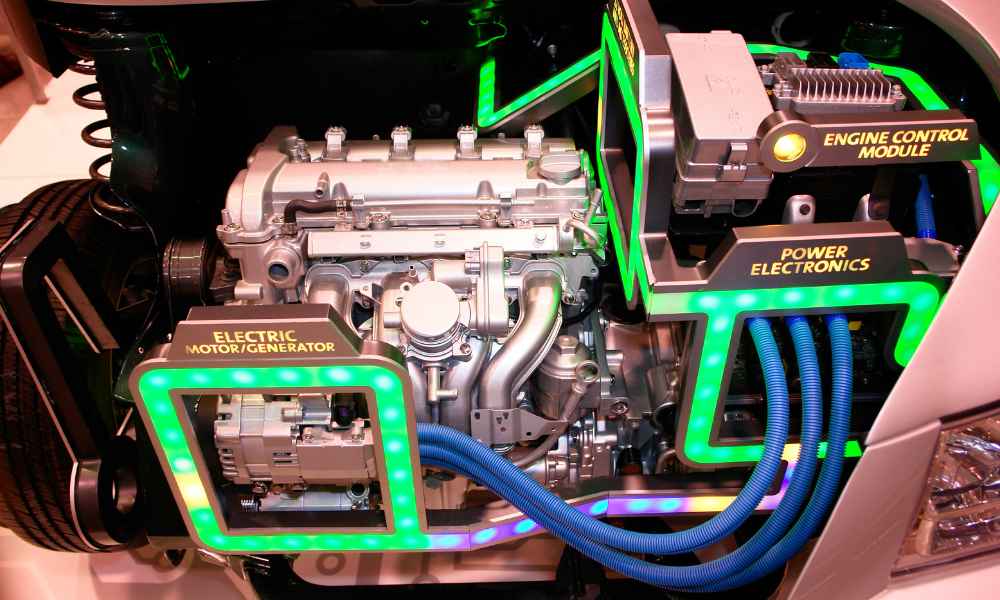
Electric Vehicle Motors – Scrap Value Explained
As electric vehicles (EVs) become increasingly common across Australia, more people are asking what happens when these vehicles reach the end of their life. While much attention is given to EV batteries, electric motors are also valuable components that can be recycled and recovered for scrap.
Electric vehicle motors contain high-quality metals such as copper, steel, aluminium, and, in some cases, rare earth magnets. These materials have significant recycling value, making EV motors an important part of the modern scrap industry.
In this guide, we’ll explain what gives electric vehicle motors their scrap value, how they are recycled, and the factors that affect how much they’re worth.
Why Are EV Motors Valuable?
Unlike traditional petrol or diesel engines, electric motors have fewer moving parts and are built using valuable recyclable materials.
A typical electric motor contains:
- Copper windings
- Steel housing
- Aluminium casing
- Permanent magnets (in many models)
- Electrical connectors and wiring
Because copper and rare earth materials are in high demand, scrap recyclers often pay good prices for electric motors, especially those in good condition.
What Materials Are Recovered?
Electric vehicle motors are dismantled so each material can be separated and recycled efficiently.
a. Copper
Copper is one of the most valuable metals inside an electric motor.
It is used in the motor’s windings because of its excellent electrical conductivity. Depending on the motor’s size, several kilograms of copper can be recovered.
Clean copper generally commands higher scrap prices than mixed metals.
b. Steel
The motor’s core and housing often contain large amounts of steel.
Although steel has a lower value than copper, it is easily recyclable and makes up a significant portion of the motor’s overall weight.
c. Aluminium
Many manufacturers use lightweight aluminium casings to improve vehicle efficiency.
Aluminium is highly recyclable and requires much less energy to recycle than producing new aluminium from raw materials.
d. Rare Earth Magnets
Some EV motors contain powerful permanent magnets made from rare earth elements such as neodymium and dysprosium.
These magnets improve motor efficiency and performance, making them valuable for recycling and reuse in future electric motors and other high-tech applications.
Factors That Affect Motor Scrap Value
Not all electric vehicle motors have the same scrap value. Several factors determine how much a recycler may pay.
a. Motor Size
Larger motors generally contain more copper, steel, and aluminium, increasing their overall value.
For example, motors from electric SUVs or commercial vehicles often contain more recyclable material than those from small passenger cars.
b. Material Composition
Motors with higher copper content are usually worth more than those containing mostly steel.
Similarly, motors equipped with permanent rare earth magnets may attract higher prices due to the value of these specialised materials.
c. Condition
An undamaged motor is often worth more than one that has suffered severe impact or fire damage.
Some motors can even be refurbished and reused instead of being recycled, increasing their resale value.
d. Current Scrap Metal Prices
Scrap prices fluctuate regularly based on global demand for metals.
Copper, aluminium, steel, and rare earth materials all experience market price changes throughout the year, affecting the overall value of an EV motor.
How Are EV Motors Recycled?
Electric vehicle motors go through a specialised recycling process.
Step 1: Inspection
The motor is inspected to determine whether it can be reused, repaired, or recycled.
If it remains in good working condition, it may be refurbished for another vehicle.
Step 2: Dismantling
Technicians carefully dismantle the motor, separating valuable components.
Electrical connectors, magnets, copper windings, steel components, and aluminium casings are removed individually.
Step 3: Material Separation
Each material is sorted into dedicated recycling streams.
This improves recycling efficiency and maximises the recovery of valuable metals.
Step 4: Processing
Recovered metals are cleaned, melted, and processed into raw materials that manufacturers use to produce new products.
The recycling process significantly reduces the need for mining new resources.
What About Rare Earth Magnets?
Rare earth magnets are becoming increasingly important in the recycling industry.
Mining rare earth elements is expensive and environmentally challenging.
Recovering these materials from old electric motors helps reduce environmental impact while supporting the growing demand for electric vehicles and renewable energy technologies.
As recycling technology improves, rare earth recovery is expected to become an even more valuable part of EV recycling.
Can You Scrap an EV Motor Yourself?
Although it may seem straightforward, dismantling an electric vehicle motor is not recommended unless you have the necessary knowledge and equipment.
Many EV systems operate at very high voltages, which can remain dangerous even after the vehicle has been switched off.
Professional recyclers have specialised training and equipment to safely remove motors without risking electric shock or damaging valuable components.
Environmental Benefits of Recycling EV Motors
Recycling electric vehicle motors offers several environmental advantages.
- Conserves Natural Resources: Recovering copper, aluminium, steel, and rare earth materials reduces the need for mining new raw materials.
- Reduces Energy Consumption: Recycling metals requires significantly less energy than producing them from virgin ores.
- Lowers Carbon Emissions: Using recycled materials helps reduce greenhouse gas emissions associated with mining and metal production.
- Supports Australia’s Circular Economy: Recycling allows valuable materials to be reused in new vehicles, electrical equipment, and renewable energy projects instead of ending up as waste.
How Much Is an EV Motor Worth?
There is no fixed price for an electric vehicle motor.
Its value depends on factors such as:
- Weight
- Copper content
- Type of motor
- Rare earth magnet content
- Overall condition
- Current market prices for recyclable metals
In many cases, the motor forms an important part of the total scrap value of an electric vehicle, alongside the battery pack, wiring, aluminium components, and electronic systems.
Obtaining quotes from licensed scrap metal recyclers is the best way to determine its current market value.
Final Thoughts
As electric vehicles become more common, recycling their components is becoming increasingly important. Electric vehicle motors contain valuable materials such as copper, aluminium, steel, and rare earth magnets, making them worthwhile for professional recycling. Rather than being discarded, these materials are recovered, processed, and reused in new vehicles and industrial products.
If you’re scrapping an electric vehicle, working with a licensed scrap metal recycler ensures the motor is handled safely, environmentally responsibly, and valued fairly based on its materials and condition. Recycling EV motors not only helps maximise their scrap value but also supports a more sustainable future for Australia’s growing electric vehicle industry.