

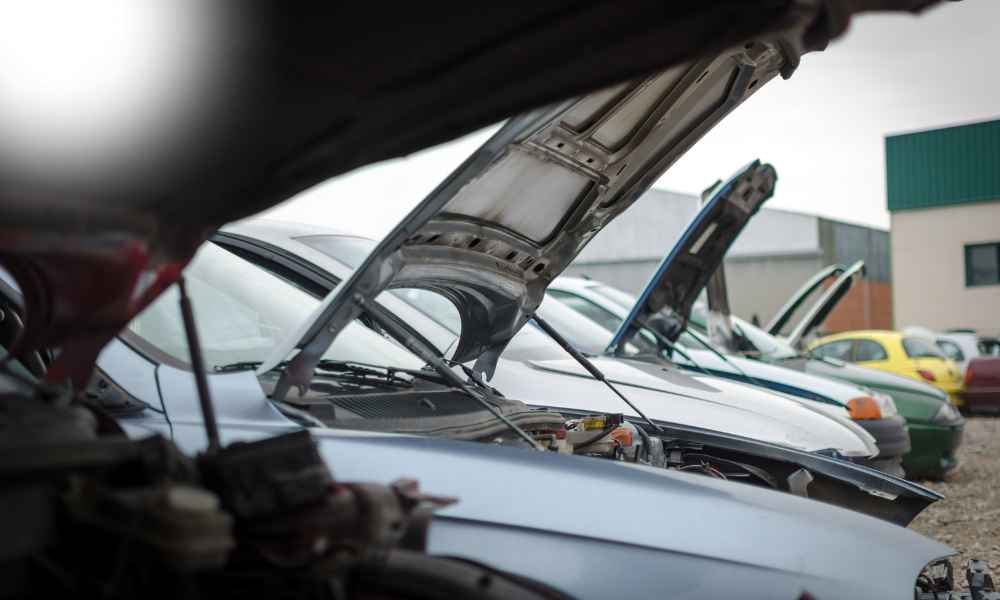
What Is Required When Scrapping a Car in Sydney?
Scrapping a car in Sydney is a straightforward process, but it does involve a few legal and practical requirements that every vehicle owner should understand before handing over their old or unwanted vehicle. Whether your car is damaged, unregistered, written off, or simply no longer roadworthy, disposing of it properly ensures you stay compliant with NSW regulations and avoid potential fines or issues in the future.
This guide explains exactly what is required when scrapping a car in Sydney, including paperwork, preparation, and what happens during the process.
1. Proof of Ownership
The most important requirement when scrapping a car in Sydney is proving that you are the legal owner of the vehicle. Car wreckers and scrap yards will not accept vehicles without proper ownership documentation.
You may need to provide:
- Vehicle registration papers (NSW registration certificate)
- Proof of identity (driver’s licence or passport)
- Purchase receipt (if registration papers are not available)
If the car is still registered in NSW, matching your details with Transport for NSW records helps ensure the transfer or cancellation process is legitimate.
2. Vehicle Identification Details
Before scrapping, you will also need to provide accurate vehicle details, including:
- Vehicle Identification Number (VIN)
- Engine number
- Make, model, and year
- Registration number (if applicable)
These details allow the scrap yard or car removal service to correctly identify the vehicle and process it in accordance with environmental and legal requirements.
3. Cancel or Transfer Registration
One of the key steps when scrapping a car in Sydney is handling the registration. You cannot simply abandon the vehicle or leave it registered in your name.
There are two main options:
a. Cancel Registration
If the car is being scrapped permanently, you should cancel the registration with Transport for NSW. Once cancelled, you may be eligible for a refund on any unused registration period.
b. Transfer to Wrecker
In some cases, the scrap yard may assist in transferring ownership or notifying Transport for NSW that the vehicle has been disposed of. However, it is always recommended that you personally confirm the cancellation or transfer.
Failing to cancel registration can result in ongoing liability for tolls, fines, or penalties linked to the vehicle.
4. Remove Personal Belongings
Before handing over your vehicle, it is essential to remove all personal items. Many people forget that cars often contain valuables and personal documents.
Check the following areas:
- Glove box
- Boot (trunk)
- Under seats
- Centre console
- Door pockets
Items commonly left behind include tools, spare keys, documents, sunglasses, and electronic devices. Once the vehicle is scrapped, recovering these items is usually impossible.
5. Remove Number Plates
In NSW, you are generally required to remove the number plates before the vehicle is dismantled or sold for scrap. You should return the plates to a Service NSW centre or follow instructions for cancellation.
This step helps ensure the vehicle is officially decommissioned and cannot be misused after scrapping.
6. Environmental and Recycling Compliance
Car scrapping in Sydney is regulated to ensure environmental safety. Licensed auto recyclers follow strict procedures to remove and dispose of hazardous materials such as:
- Engine oil and coolant
- Brake fluid and transmission fluids
- Batteries
- Air conditioning gases
- Fuel residues
Once hazardous materials are safely removed, the vehicle is dismantled and recyclable components such as steel, aluminium, tyres, and plastics are processed for reuse. This helps reduce landfill waste and supports sustainable recycling practices.
7. Choosing a Licensed Car Wrecker
It is important to use a licensed and reputable car removal or wrecking service in Sydney. A legitimate operator will:
- Provide free car removal (in many cases)
- Offer fair cash payment for scrap value
- Handle environmental disposal correctly
- Issue proof of transaction or receipt
- Assist with paperwork guidance
Avoid unlicensed operators, as they may not follow proper environmental or legal procedures, leaving you at risk of liability.
8. Vehicle Condition Requirements
Most scrap yards accept vehicles in almost any condition, including:
- Accident-damaged cars
- Non-running vehicles
- Flood-damaged cars
- Unregistered cars
- Old or rusted vehicles
However, you should inform the scrap metal buyer about the condition honestly, as this helps determine the scrap value and ensures safe towing arrangements.
9. Payment and Car Removal Process
Once all requirements are met, the process is usually simple:
- You request a quote from a car removal service.
- The service assesses your vehicle details.
- A price is offered based on scrap metal value and parts.
- A pickup time is scheduled.
- The vehicle is towed away, often free of charge.
- You receive payment on the spot or via bank transfer.
The entire process can often be completed within the same day.
Conclusion
Scrapping a car in Sydney requires a few essential steps, including proving ownership, cancelling registration, removing personal belongings, and choosing a licensed car wrecker. While the process is generally simple, completing these requirements ensures you remain legally compliant and receive fair value for your vehicle.
By working with a reputable scrap car removal service, you can dispose of your old vehicle safely, responsibly, and with minimal hassle while contributing to environmentally friendly recycling practices in NSW.