

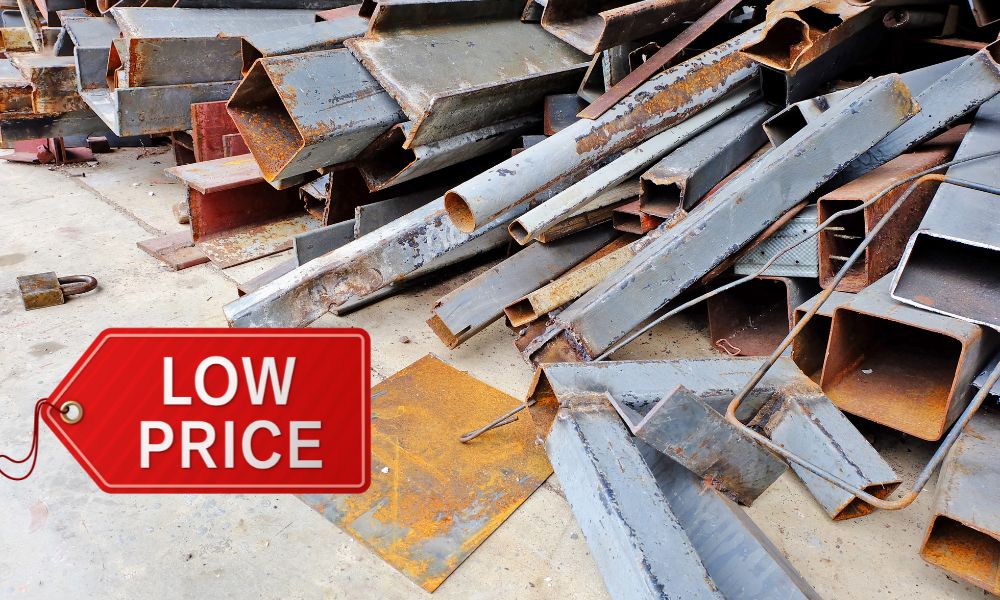
Mistakes That Lower Your Scrap Metal Price in Sydney
Selling scrap metal can be a smart way to turn unwanted materials into cash, especially in a busy market like Sydney. However, many people unknowingly make mistakes that reduce the amount they receive from scrap yards and recyclers. Whether you are a homeowner cleaning up, a tradesperson with leftover materials, or a business handling industrial waste, understanding these common mistakes can help you maximise your return.
Here are the biggest mistakes that lower your scrap metal price in Sydney and how to avoid them.
1. Mixing Different Types of Metals
One of the most common mistakes is combining different metals into one pile. Scrap yards pay different prices depending on the type and quality of metal. Copper, aluminium, brass, stainless steel, and steel all have different market values.
When metals are mixed together, the recycler must spend extra time sorting them. In many cases, they will simply classify the entire load as a lower-grade material and pay less.
How to Avoid It
Separate your metals before visiting the scrap yard. Keep copper wires, aluminium sheets, steel pipes, and brass fittings in different containers. This simple step can significantly increase your payout.
2. Leaving Non-Metal Materials Attached
Scrap metal with plastic, rubber, wood, or glass attached is often considered contaminated. For example, copper wire with insulation still attached may be worth less than stripped copper wire. Similarly, steel frames with wood panels or screws can reduce the final value.
Contaminated scrap takes extra labour to process, and recyclers usually deduct those costs from your payment.
How to Avoid It
Remove non-metal components whenever possible. Strip wires, detach plastic fittings, and clean the material before selling it. Clean scrap metal is almost always worth more.
3. Not Checking Current Scrap Metal Prices
Scrap metal prices change regularly based on global demand, market conditions, and local supply. Many sellers accept the first offer they receive without checking current rates.
This can lead to receiving much less than the actual market value for your metal.
How to Avoid It
Research current scrap metal prices in Sydney before selling. Compare rates from multiple recyclers and monitor market trends if you have a large quantity of material. Timing your sale correctly can make a noticeable difference.
4. Selling Small Quantities Too Often
Frequent trips to the scrap yard with small amounts of metal can reduce your overall profit. Some recyclers may offer lower rates for small loads because handling and processing costs remain the same regardless of quantity.
Transportation costs and fuel can also eat into your earnings.
How to Avoid It
If possible, collect and store scrap metal until you have a larger load. Bulk quantities often attract better pricing and may even qualify for free pickup services from some Sydney recyclers.
5. Ignoring High-Value Metals
Many people throw valuable metals into general scrap piles without realising their worth. Copper, brass, and certain grades of stainless steel are often worth significantly more than ordinary steel.
Failing to identify these materials can mean losing hundreds of dollars.
How to Avoid It
Learn how to identify common metals. Copper has a reddish colour, brass is yellowish, and aluminium is lightweight and non-magnetic. Sorting high-value metals separately ensures you receive the correct price.
6. Choosing the Wrong Scrap Yard
Not all scrap metal recyclers in Sydney offer the same rates or level of service. Some yards specialise in industrial quantities, while others focus on household scrap. Prices can vary considerably between businesses.
How to Avoid It
Take time to compare scrap yards in your area. Look for recyclers with transparent pricing, positive customer reviews, and accurate weighing systems. A reputable scrap metal recycler will clearly explain how your materials are graded and priced.
7. Failing to Prepare Scrap Properly
Large, tangled, rusty, or difficult-to-handle materials may attract lower offers. Scrap yards prefer materials that are easy to transport, sort, and process.
For example, crushed aluminium cans are easier to manage than loose cans mixed with rubbish.
How to Avoid It
Organise and prepare your scrap before delivery. Bundle wires neatly, cut oversized pieces when safe to do so, and remove excessive rust or dirt if possible.
8. Overlooking Weight Accuracy
Your payment is based largely on weight, so inaccurate weighing can directly affect your earnings. Some sellers fail to verify scales or do not request weight receipts.
How to Avoid It
Choose scrap yards with certified scales and always ask for a weight breakdown. Understanding how your load is weighed helps ensure transparency and fair payment.
9. Throwing Away Scrap Instead of Recycling It
Many people unknowingly dispose of valuable scrap metal during renovations, construction projects, or garage cleanouts. Old appliances, pipes, roofing sheets, fencing, and electrical wiring can all have resale value.
How to Avoid It
Before sending materials to landfill, check whether they contain recyclable metals. Even damaged or outdated items may still be worth money at a Sydney scrap yard.
10. Not Understanding Scrap Metal Grades
Different grades of the same metal can have different prices. For example, clean bright copper is worth more than burnt copper wire, and thick aluminium may fetch a better price than mixed aluminium scrap.
Without understanding grading, sellers may accept lower payments than they deserve.
How to Avoid It
Ask recyclers about grading categories and learn the differences between clean and mixed scrap. Knowing how your materials are classified gives you stronger negotiating power.
Final Thoughts
Selling scrap metal in Sydney can be profitable, but simple mistakes can quickly reduce your payout. Mixing metals, leaving contamination attached, ignoring market prices, and choosing the wrong recycler are some of the biggest reasons people receive less than they should.
By sorting your materials properly, cleaning your scrap, monitoring current prices, and working with reputable recyclers, you can maximise the value of your scrap metal and make the most of every load.
Whether you are recycling household items or managing commercial scrap, a little preparation goes a long way toward getting the best possible scrap metal price in Sydney.