

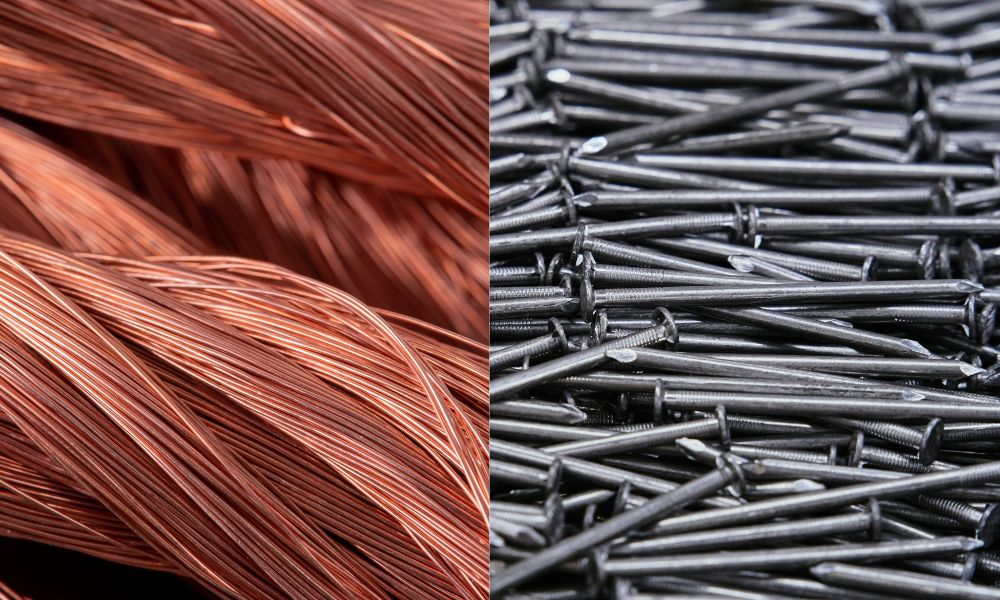
Ferrous vs Non-Ferrous Metals: What’s the Difference?
Metals play a vital role in modern life, forming the backbone of industries such as construction, manufacturing, transportation, and technology. From the steel used in skyscrapers to the aluminium in window frames and beverage cans, metals are everywhere. One of the most important ways to classify metals is by dividing them into two main categories: ferrous and non-ferrous metals. Understanding the difference between these two groups can help you make better decisions in construction, recycling, and everyday use.
Ferrous vs Non-Ferrous Metals: What’s the Difference?
At the most basic level, the distinction between ferrous and non-ferrous metals comes down to one key element: iron. Ferrous metals contain iron, while non-ferrous metals do not. This simple difference leads to a wide range of variations in strength, durability, corrosion resistance, and practical applications.
What Are Ferrous Metals?
Ferrous metals are metals that primarily contain iron. They are known for their strength, toughness, and durability, making them ideal for structural and heavy-duty applications. These metals are commonly used in construction, automotive manufacturing, and industrial equipment.
a. Common Types of Ferrous Metals
Some of the most widely used ferrous metals include:
- Steel: An alloy made from iron and carbon, steel is one of the most versatile materials in the world. It is used in buildings, bridges, tools, and machinery.
- Cast Iron: Known for its excellent compressive strength and heat retention, cast iron is often used in pipes, cookware, and engine components.
- Wrought Iron: A more malleable form of iron, wrought iron is commonly used for decorative items such as gates, railings, and furniture.
b. Key Characteristics of Ferrous Metals
Ferrous metals have several defining properties:
- High Strength and Durability: They are extremely strong, making them ideal for structural use.
- Magnetic Properties: Most ferrous metals are magnetic, which makes them useful in electrical and industrial applications.
- Prone to Rust: Because they contain iron, these metals can rust when exposed to moisture and oxygen unless properly treated or coated.
c. Advantages and Disadvantages
Ferrous metals are valued for their strength and affordability, but they do have some drawbacks. Their tendency to rust means they require protective coatings such as paint or galvanisation. Additionally, they are generally heavier than non-ferrous metals, which can limit their use in applications where weight is a concern.
What Are Non-Ferrous Metals?
Non-ferrous metals are those that do not contain iron. These metals are typically more resistant to corrosion, lighter in weight, and non-magnetic. They are widely used in applications where durability and resistance to environmental factors are important.
a. Common Types of Non-Ferrous Metals
Some popular non-ferrous metals include:
- Aluminium: Lightweight, corrosion-resistant, and highly recyclable, aluminium scrap is used in window frames, doors, cans, and aircraft components.
- Copper: Known for its excellent electrical conductivity, copper scrap is commonly used in wiring and plumbing.
- Brass: An alloy of copper and zinc, brass is used in fittings, musical instruments, and decorative items.
- Lead: A dense and soft metal often used in batteries and radiation shielding.
- Zinc: Frequently used for galvanising steel to protect it from corrosion.
b. Key Characteristics of Non-Ferrous Metals
Non-ferrous metals offer several unique benefits:
- Corrosion Resistance: They do not rust like iron-based metals, making them ideal for outdoor and marine environments.
- Lightweight: Many non-ferrous metals, such as aluminium, are significantly lighter than ferrous metals.
- Non-Magnetic: These metals are not magnetic, which is useful in electronic and specialised applications.
- High Conductivity: Metals like copper are excellent conductors of electricity and heat.
c. Advantages and Disadvantages
The main advantage of non-ferrous metals is their resistance to corrosion and lighter weight. However, they are often more expensive than ferrous metals. In some cases, they may also be less strong, which can limit their use in heavy structural applications.
Key Differences Between Ferrous and Non-Ferrous Metals
Understanding the differences between these two categories can help you choose the right material for your needs.
a. Composition
The primary difference lies in their composition. Ferrous metals contain iron, while non-ferrous metals do not. This difference affects all other properties, including strength, weight, and resistance to corrosion.
b. Strength and Weight
Ferrous metals are generally stronger and heavier, making them suitable for construction and heavy machinery. Non-ferrous metals are lighter and more flexible, making them ideal for applications where weight is a concern, such as aerospace and automotive industries.
c. Corrosion Resistance
Non-ferrous metals are more resistant to corrosion because they do not contain iron. Ferrous metals, on the other hand, are prone to rust and require protective treatments.
d. Magnetic Properties
Most ferrous metals are magnetic, while non-ferrous metals are not. This difference is important in industries that rely on magnetic or non-magnetic materials.
c. Cost
Ferrous metals are typically more affordable due to the abundance of iron. Non-ferrous metals tend to be more expensive because they are less abundant and often require more complex extraction processes.
Applications in Everyday Life
Both ferrous and non-ferrous metals are essential in everyday life. Ferrous metals are commonly used in building frameworks, car bodies, and tools due to their strength. Non-ferrous metals, such as aluminium, are found in window frames, door frames, cans, and lightweight structures. Copper wiring powers our homes, while brass fittings are used in plumbing and décor.
Recycling and Environmental Impact
Recycling plays a crucial role in reducing the environmental impact of metal production. Both ferrous and non-ferrous metals can be recycled, but non-ferrous metals are particularly valuable because they can be reused indefinitely without losing their properties.
Aluminium cans, window frames, rods, and other scrap materials can be melted down and reused, saving energy and reducing the need for mining. Ferrous metals like steel are also widely recycled and are often used in new construction projects.
Choosing the Right Scrap Metal
Selecting between ferrous and non-ferrous metals depends on your specific needs. If you require strength and durability for structural purposes, ferrous metals are often the best choice. However, if you need lightweight, corrosion-resistant materials, non-ferrous metals may be more suitable.
Factors such as cost, environment, and intended use should all be considered when making your decision. Understanding the properties of each type of metal ensures better performance and long-term value.
Conclusion
The difference between ferrous and non-ferrous metals may seem simple, but it has a significant impact on how these materials are used in everyday life. Ferrous metals offer strength and durability, making them essential for construction and heavy-duty applications. Non-ferrous metals, on the other hand, provide corrosion resistance, lightweight properties, and versatility.
By understanding these differences, you can make informed decisions whether you are building, renovating, or recycling. Both types of metals have their place in modern society, and together they help shape the world around us in countless ways.