
Understanding Ferrous & Non-Ferrous Scrap Metals You Can Recycle
Scrap metal recycling is an essential practice for reducing waste, conserving natural resources, and supporting a more sustainable environment. Not all metals are the same, and knowing how to identify and sort them can make a big difference in both environmental impact and potential financial return.
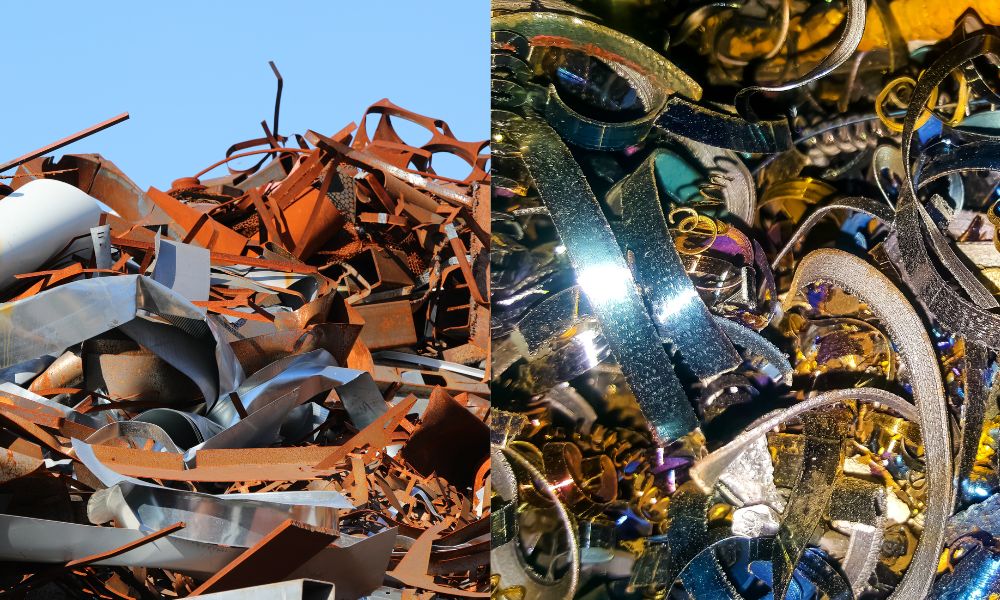
The two main categories of recyclable metals are ferrous and non-ferrous metals. Understanding each type and the specific metals within them, will help you recycle more effectively.
Ferrous Metals: Common Iron-Based Scrap You Can Recycle
Ferrous metals are metals that contain iron. They are known for their strength, durability, and widespread use in construction, manufacturing, and household items. One of the easiest ways to identify ferrous metals is by using a magnet. If the magnet sticks, the metal is most likely ferrous.
1. Steel
Steel is one of the most commonly recycled ferrous metals. It is used in everything from building structures and bridges to household appliances like refrigerators and washing machines. Steel is highly durable and can be recycled repeatedly without losing its strength, making it a cornerstone of the recycling industry.
2. Cast Iron
Cast iron is a heavy, brittle metal often found in cookware, pipes, and engine blocks. Items like old frying pans, radiators, and industrial machinery parts are typically made from cast iron. While it is not as flexible as steel, it is still highly recyclable and valuable in bulk.
3. Wrought Iron
Wrought iron is softer and more malleable than cast iron. It is commonly used in decorative applications such as gates, railings, and fences. Although less common today, it is still found in older structures and can be recycled along with other ferrous metals.
4. Carbon Steel
Carbon steel contains varying amounts of carbon, which affects its hardness and strength. It is widely used in tools, automotive parts, and construction materials. This type of steel is also recyclable and often grouped with general steel scrap.
5. Alloy Steel
Alloy steel is mixed with other elements such as chromium, nickel, or manganese to enhance its properties. It is commonly used in high-performance applications like machinery, pipelines, and automotive components. Despite its added elements, alloy steel remains recyclable and is often processed with other ferrous metals.
Non-Ferrous Metals: Valuable Metals Worth Recycling
Non-ferrous metals do not contain iron, which makes them resistant to rust and corrosion. These metals are typically more valuable in the scrap market due to their properties and lower availability. They are widely used in electrical, plumbing, and decorative applications.
1. Aluminum
Aluminum scrap is lightweight, corrosion-resistant, and one of the most recycled metals in the world. Common sources include beverage cans, window frames, kitchen utensils, and car parts. Recycling aluminum saves a significant amount of energy compared to producing it from raw materials, making it highly desirable.
2. Copper
Copper scrap is one of the most valuable non-ferrous metals due to its excellent electrical conductivity. It is commonly found in electrical wiring, plumbing pipes, and electronic components. Clean copper, free from insulation or contamination, often commands a higher price at scrap yards.
3. Brass
Brass scrap is an alloy made primarily of copper and zinc. It has a distinctive yellow-gold color and is often used in plumbing fixtures, musical instruments, and decorative items. Brass is durable, corrosion-resistant, and widely accepted at recycling centers.
4. Zinc
Zinc is commonly used as a coating for other metals to prevent rusting, a process known as galvanisation. It can be found in roofing materials, gutters, and some automotive parts. While less valuable than copper or aluminum, zinc is still recyclable and contributes to resource conservation.
5. Lead
Lead is a dense, heavy metal most often found in batteries, especially car batteries. It is also used in weights, cables, and some construction materials. Due to its toxic nature, lead must be handled carefully and recycled through proper channels to prevent environmental harm.
Household Scrap Items
Many everyday household items contain recyclable metals. Old cookware, cutlery, light fixtures, and even furniture can often be recycled if they contain metal components. Before discarding these items, it’s worth checking whether they can be taken to a scrap yard or recycling center.
Additionally, items like bicycles, lawnmowers, and metal shelving units are often accepted as scrap metal. Breaking down larger items into smaller components can make transportation and sorting easier.
Tips for Effective Metal Recycling
To maximise the value of your scrap metal, it helps to sort materials by type. Separating ferrous from non-ferrous metals, and keeping high-value metals like copper clean and free of insulation, can increase their resale price. It’s also important to remove non-metal parts when possible, as contamination can reduce the quality and value of the scrap.
Safety should always come first. Wear gloves when handling scrap metal to avoid cuts, and be cautious with sharp edges or heavy items. For hazardous materials like batteries or electronics, follow local guidelines for safe disposal.
Conclusion
Understanding the differences between ferrous and non-ferrous metals is key to successful scrap metal recycling. Ferrous metals like steel and cast iron are abundant and widely used, while non-ferrous metals like copper and aluminum offer higher value and corrosion resistance.
By learning to identify and separate these metals, you can improve recycling efficiency, reduce environmental impact, and potentially increase your earnings. Whether you are recycling at home or in a professional setting, proper knowledge of these metals makes the process safer and more rewarding.