

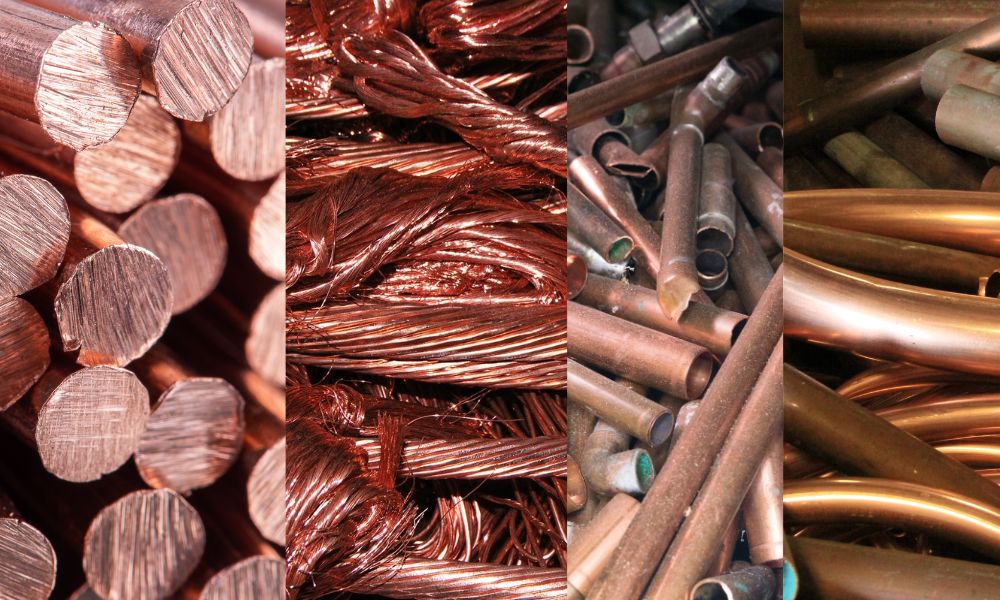
Types of Copper Scrap and Their Prices Explained
Copper is one of the most valuable and widely recycled metals in the world. Its excellent conductivity, durability, and versatility make it essential in industries such as construction, electrical engineering, telecommunications, and manufacturing. Because of its high demand, copper scrap often commands strong prices in the recycling market.
However, not all copper scrap is worth the same amount. The value of copper scrap depends on its purity, condition, and type. Understanding the different grades of copper can help homeowners, electricians, contractors, and businesses maximise their returns when selling scrap metal.
In this guide, we’ll explain the most common types of copper scrap and the factors that influence their prices.
Why Copper Scrap Is Valuable
Copper scrap can be recycled repeatedly without losing its quality or performance. Recycling copper requires significantly less energy than mining and refining new copper, making it both environmentally friendly and economically beneficial.
The main reasons copper scrap holds value include:
- High demand across multiple industries
- Excellent recyclability
- Limited natural resources
- Strong global market prices
- Reduced environmental impact compared to mining
Because of these factors, copper remains one of the most sought-after metals at scrap yards.
Factors That Affect Copper Scrap Prices
Before discussing specific copper grades, it’s important to understand what influences copper scrap prices.
- Purity: The cleaner and purer the copper, the higher its value. Copper that contains little or no contamination typically attracts premium prices.
- Market Demand: Global copper prices fluctuate daily based on supply, demand, economic conditions, and industrial activity.
- Quantity: Larger quantities of copper scrap may receive better rates from recyclers.
- Condition: Copper that is free from paint, insulation, solder, or corrosion generally commands higher prices.
- Location: Scrap metal prices can vary between regions due to transportation costs and local market conditions.
1. Bare Bright Copper
Bare Bright Copper is considered the highest grade of copper scrap and typically achieves the best prices.
Characteristics
- Clean, uncoated copper wire
- At least 99% pure copper
- No insulation, paint, or contamination
- Bright, shiny appearance
Common Sources
- Electrical wiring
- Industrial cables
- New construction offcuts
- Electrical installations
Because of its exceptional purity, Bare Bright Copper usually receives the highest payment rate at scrap yards.
Price Range
Bare Bright Copper often achieves the top market price among copper grades and can be worth significantly more than lower-grade copper.
2. #1 Copper
#1 Copper is another high-quality copper grade that attracts strong prices.
Characteristics
- Clean copper tubing and pipe
- No paint or coatings
- Minimal oxidation
- No brass fittings or solder
Common Sources
- Plumbing pipes
- Roofing materials
- Industrial equipment
- Construction projects
Although slightly less valuable than Bare Bright Copper, #1 Copper remains one of the most profitable copper scrap categories.
Price Range
#1 Copper generally sells for slightly less than Bare Bright but significantly more than lower grades.
3. #2 Copper
#2 Copper contains some contamination or imperfections that reduce its value.
Characteristics
- Painted copper
- Tarnished copper
- Copper with solder attached
- Light oxidation
Common Sources
- Older plumbing systems
- Renovation projects
- Demolition sites
- Electrical equipment
Because additional processing is required before recycling, #2 Copper receives lower prices than higher-grade copper.
Price Range
Typically 10% to 20% lower than #1 Copper, depending on contamination levels.
4. Insulated Copper Wire
Insulated Copper Wire is one of the most common forms of copper scrap.
Characteristics
- Copper wire covered with plastic insulation
- Varying copper content depending on wire thickness
- Requires processing to recover pure copper
Common Sources
- Household wiring
- Commercial electrical installations
- Data cables
- Extension cords
The value of insulated wire depends largely on the copper recovery percentage.
Price Range
Heavier cables with more copper content generally attract higher prices than thin wires with excessive insulation.
5. Copper Cable
Copper cable often contains large quantities of copper but may also include insulation and other materials.
Characteristics
- Heavy-duty electrical cables
- Industrial wiring
- Power transmission cables
Common Sources
- Construction sites
- Manufacturing facilities
- Utility projects
- Telecommunications infrastructure
Because copper cable contains substantial copper content, it often provides excellent scrap value.
Price Range
Pricing depends on the ratio of copper to insulation and the effort required for processing.
6. Enamelled Copper Wire
Enamelled copper wire is commonly found in electrical motors and transformers.
Characteristics
- Thin enamel coating
- High copper content
- Often wound into coils
Common Sources
- Electric motors
- Transformers
- Generators
- Appliances
Although valuable, enamelled copper usually sells for slightly less than Bare Bright Copper due to the coating.
Price Range
Generally positioned between insulated copper wire and #1 Copper.
7. Copper Sheet and Roofing Copper
Copper sheets are widely used in architectural applications and roofing systems.
Characteristics
- Large flat copper sections
- May contain minor oxidation
- Generally high purity
Common Sources
- Roof flashing
- Gutters
- Architectural features
- Building renovations
Copper sheet scrap is highly desirable because of its substantial copper content.
Price Range
Usually comparable to #1 Copper when clean and uncontaminated.
8. Burnt Copper Wire
Burnt copper wire is wire that has had insulation removed through burning.
Characteristics
- Darkened appearance
- Potential contamination
- Reduced quality
Why It Is Less Valuable
Many recyclers discourage or reject burnt copper because burning insulation creates environmental concerns and may damage the copper.
Price Range
Generally lower than clean stripped copper wire.
9. Copper Radiators
Copper radiators contain both copper and brass components.
Characteristics
- Mixed-metal construction
- Requires separation and processing
- Common in automotive and industrial applications
Common Sources
- Vehicles
- Air conditioning systems
- Industrial cooling equipment
Because radiators contain valuable metals, they can still generate attractive returns despite requiring additional processing.
Price Range
Usually lower than pure copper grades but higher than many mixed metal scraps.
How to Get the Best Price for Copper Scrap
If you’re planning to sell copper scrap, consider these tips:
- Sort Copper by Grade: Separating different copper grades can significantly increase your return.
- Remove Contaminants: Removing insulation, fittings, and non-copper materials may improve pricing.
- Keep Copper Dry: Moisture and corrosion can reduce value.
- Monitor Market Prices: Copper prices fluctuate regularly, so timing your sale can impact returns.
- Work with Reputable Scrap Metal Recyclers: Experienced scrap metal recyclers provide accurate grading and competitive pricing.
Why Copper Recycling Matters
Recycling copper offers significant environmental benefits.
These include:
- Reduced landfill waste
- Lower energy consumption
- Conservation of natural resources
- Reduced greenhouse gas emissions
- Sustainable manufacturing practices
Every tonne of recycled copper helps reduce the environmental impact associated with mining and processing virgin materials.
Conclusion
Copper scrap remains one of the most valuable materials in the recycling industry. However, prices vary considerably depending on the type and quality of the copper being sold.
Bare Bright Copper and #1 Copper typically achieve the highest prices due to their purity, while lower grades such as #2 Copper, insulated wire, and burnt copper receive reduced rates due to additional processing requirements.
Understanding the different types of copper scrap allows sellers to maximise their returns and make informed decisions when recycling. By sorting materials properly, removing contaminants, and working with reputable scrap metal recyclers, individuals and businesses can obtain the best possible value for their copper scrap while contributing to a more sustainable future.